Wall Street experienced a powerful recovery on Monday, November 9, 2026, as major American stock indexes surged and regained most of the losses suffered during the previous week. A sharp decline in global oil prices, encouraging corporate earnings and renewed investor confidence helped fuel the rally, despite continuing uncertainty surrounding artificial intelligence and geopolitical tensions.
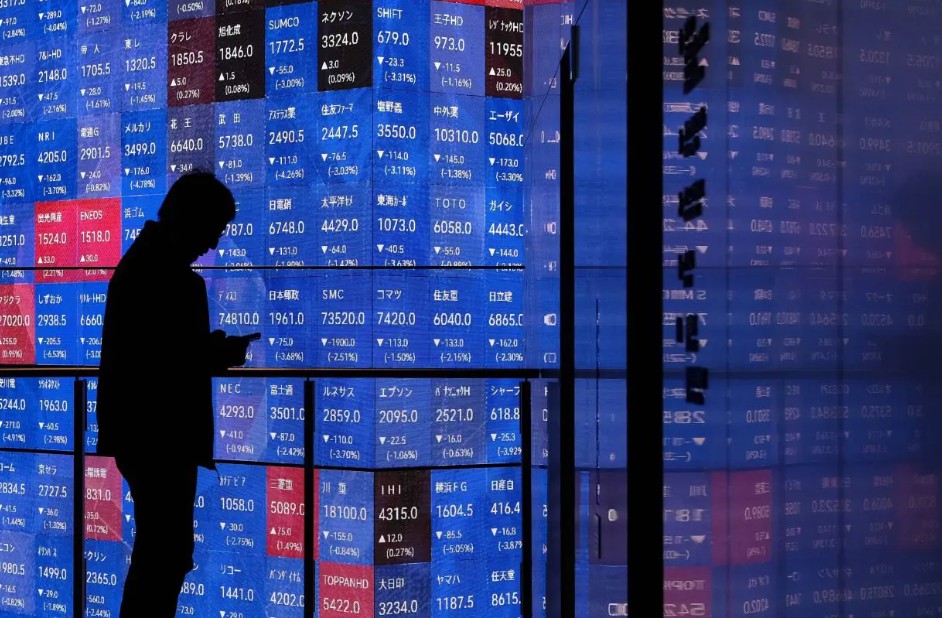
The S&P 500 climbed 2.3%, its strongest daily performance since April, closing at 7,549.94 points. The Dow Jones Industrial Average jumped 1,104 points, or 2.2%, reaching 52,389.75, while the Nasdaq Composite advanced 2.7% to 25,253.14.
The rebound brought the S&P 500 within 3.4% of its record high established in October. One of the most important developments was a 5.8% decline in Brent crude oil prices, which fell to $92.57 per barrel. Oil had traded above $112 earlier in November amid uncertainty surrounding the conflict between the United States and Iran.
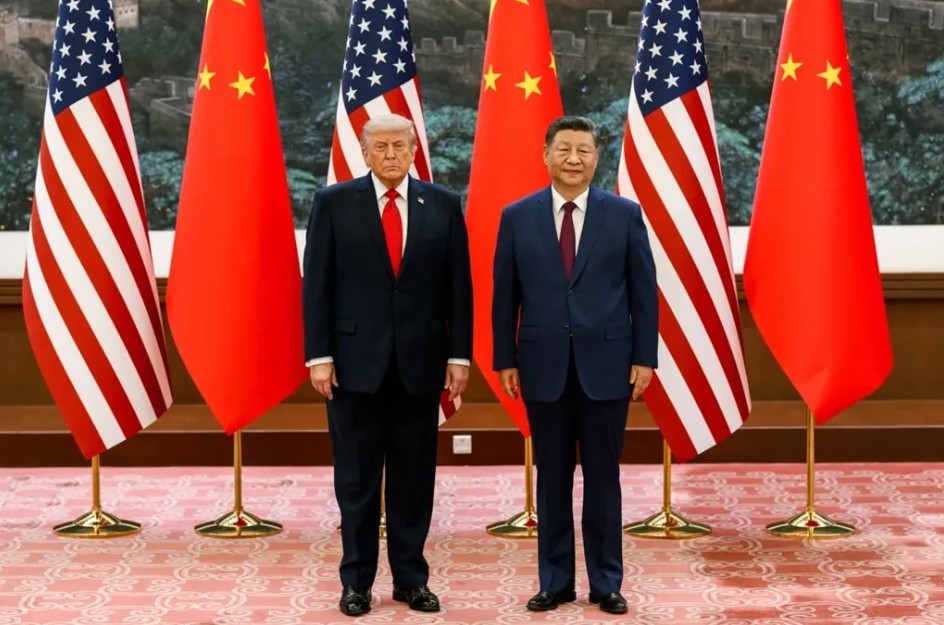
Investors responded positively to comments from President Donald Trump suggesting that renewed American military strikes against Iran were unlikely if diplomatic negotiations made progress. However, Secretary of State Marco Rubio warned that some Iranian demands remained unacceptable, underscoring the uncertainty surrounding a potential agreement.
Lower energy prices could help reduce transportation, manufacturing and consumer costs, potentially easing inflationary pressures across the American economy. The rally followed significant market turbulence triggered by Democratic victories in the 2026 midterm elections.
Investors had become concerned that newly elected officials might introduce tighter restrictions on AI data centers, particularly because of their substantial electricity consumption and effects on household energy bills.
Those concerns intensified existing questions about the enormous costs of developing artificial intelligence infrastructure. Nevertheless, several technology companies rebounded sharply.
Advanced Micro Devices surged 13.3%, recovering its previous week’s decline, while cloud computing company CoreWeave gained 5.6% after experiencing substantial losses. The recovery suggested that investors remained optimistic about long-term AI demand despite growing regulatory and financial risks.
Nvidia, one of the world’s most influential semiconductor manufacturers, moved in the opposite direction. Its shares declined 4.3% after the company announced an investigation involving chief executive Jensen Huang.
The inquiry followed allegations concerning Huang’s relationship with a business executive reportedly linked to Chinese intelligence gathering. Nvidia stated that it had no reason to believe company secrets or national security interests had been compromised.
Chinese officials rejected the allegations. The situation highlighted how corporate governance and national security concerns can influence technology valuations independently of broader market trends. Positive financial results also contributed to Wall Street’s recovery.
Constellation Energy shares climbed 10.5% after the electricity producer reported stronger-than-expected quarterly revenue and profits. The company has benefited from agreements to supply electricity to technology companies operating large data centers.
Its performance demonstrated the economic opportunities created by expanding demand for computing infrastructure, even as regulators consider stricter oversight. The positive momentum extended internationally. France’s CAC 40 advanced 1.2%, while Japan’s Nikkei 225 rose 2.3%. However, South Korea’s Kospi declined 0.8%, illustrating that the recovery was not universal.
Meanwhile, the yield on the benchmark 10-year U.S. Treasury note edged up to 4.87%, remaining below the previous month’s peak above 5.30%. The broader decline in Treasury yields from October’s highs has helped ease borrowing costs for households and businesses. Monday’s rally demonstrated the stock market’s sensitivity to energy prices, corporate performance and geopolitical developments.
Although investors welcomed lower oil prices and strong earnings, uncertainty surrounding AI regulation, inflation and international conflict remains significant. The market’s powerful rebound suggests renewed confidence in America’s economic resilience, but sustained gains will depend on whether falling energy costs, corporate profitability and geopolitical stability continue supporting investor expectations.