The Illinois Holocaust Museum & Education Center in Skokie, near Chicago, reopened to the public on November 11, 2026, following a $10 million renovation designed to improve accessibility, expand educational opportunities and strengthen Holocaust remembrance.
The 15-month project marks a new chapter for one of America’s largest Holocaust museums, introducing redesigned galleries, modernized facilities and additional historical materials. According to media, the reopening comes amid growing concerns about antisemitism and the importance of educating younger generations about the consequences of hatred and discrimination.
The renovation includes an expanded entrance lobby, a redesigned auditorium and wider exhibition spaces that make the museum easier to navigate. A new reflection gallery provides visitors with a quiet environment to consider the personal stories and historical events presented throughout the museum.
These improvements respond to growing public interest in Holocaust education and the need to accommodate larger groups of visitors. Museum officials hope the updated facilities will encourage deeper engagement among students, families, educators and community organizations.
The changes also create additional opportunities for lectures, public discussions and educational programming. The museum’s permanent Zev & Shifra Karkomi Holocaust Exhibition now includes additional material exploring the historical origins of antisemitism. The expanded displays examine how prejudice developed over centuries and how discrimination became institutionalized under Nazi rule.
Visitors can also learn more about other communities persecuted by the Nazis, including Roma and Sinti people, individuals with disabilities, political opponents and LGBTQ people. The museum’s approach emphasizes the importance of understanding the social and political conditions that allowed persecution and mass violence to occur.
Chief Executive Bernard Cherkasov explained that the institution aims to demonstrate how hatred becomes normalized and how decisions by individuals and governments can produce devastating consequences.
One important addition focuses on Leo Edelmann, a Chicago businessman who helped Jewish families escape Nazi persecution. Newly incorporated artifacts illuminate his efforts to assist people facing extraordinary danger. His story illustrates how individuals outside Europe contributed to rescue efforts during the Holocaust.
Other exhibits feature personal belongings, photographs and accounts from survivors, offering visitors a deeper understanding of the experiences behind historical statistics. These materials highlight both the suffering caused by Nazi persecution and the resilience of those who survived.
The museum’s origins are closely connected to Skokie’s Jewish community. During the late 1970s, a threatened neo-Nazi march prompted local Holocaust survivors to establish an educational center dedicated to preserving their experiences.
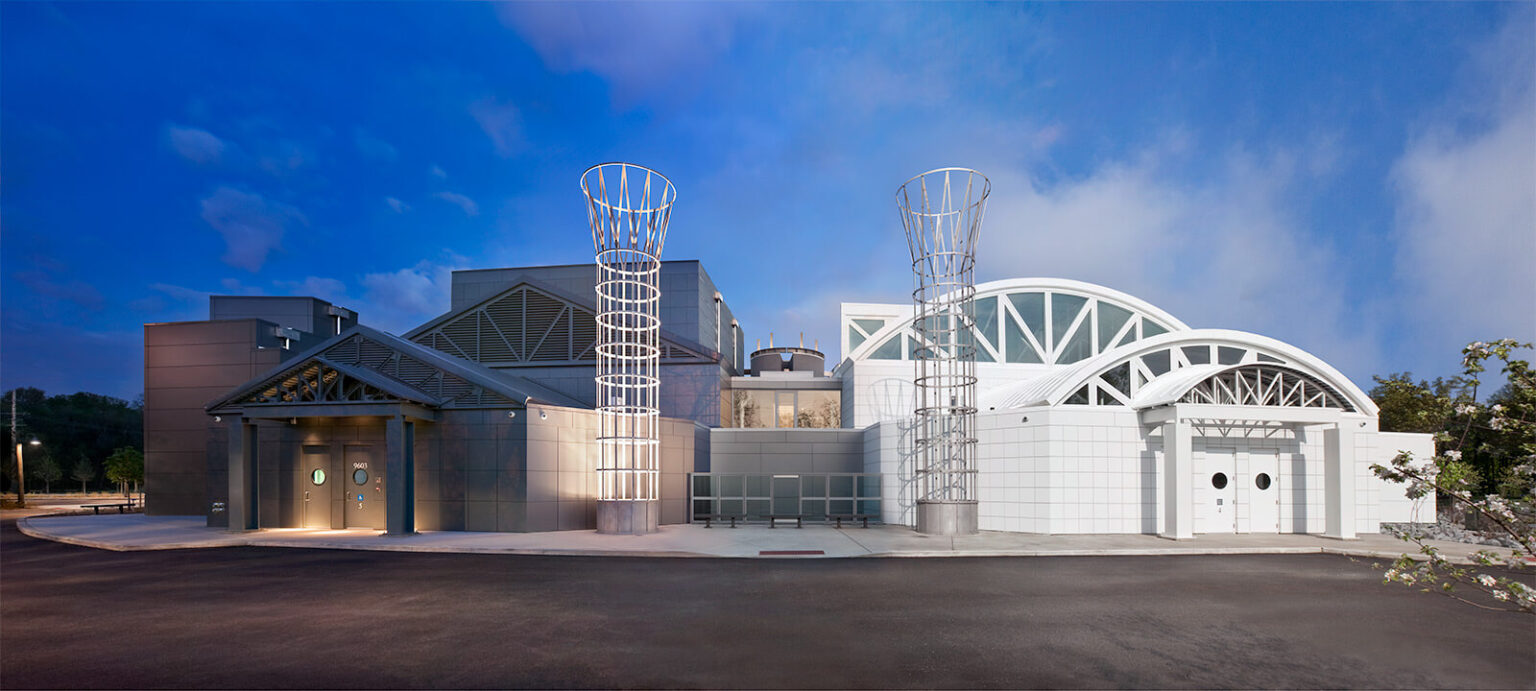
Their initial efforts began in a modest storefront. Over time, the institution expanded into a nationally recognized museum. Its current 65,000-square-foot building, designed by architect Stanley Tigerman, opened in 2009. The renovation continues that legacy by creating new opportunities to engage audiences with Holocaust history.
The museum is preparing another exhibition titled Blacklist: The Hollywood Red Scare, scheduled to open November 15. The exhibition examines political persecution, antisemitism, freedom of expression and national security during the 1940s and 1950s. Meanwhile, Experience360, the museum’s temporary downtown Chicago location, will remain open through December 31, 2026.
This arrangement allows visitors to explore educational experiences at both locations during the final weeks of the year. The reopening underscores the continuing importance of Holocaust education at a time when antisemitism and historical misinformation remain serious concerns.
By combining historical artifacts, survivor testimony and accessible learning environments, the museum seeks to connect the lessons of the past with contemporary responsibilities. Its expanded facilities also reinforce the role of cultural institutions in encouraging empathy, historical understanding and civic engagement.
The Illinois Holocaust Museum’s transformation represents more than an architectural renovation. It renews a commitment to preserving survivors’ experiences, confronting prejudice and ensuring that future generations understand the consequences of intolerance.