In the heart of California’s Mojave Desert, the city of Lancaster has demonstrated how reimagining urban infrastructure can transform a declining commercial corridor into a vibrant destination for businesses, residents and visitors.
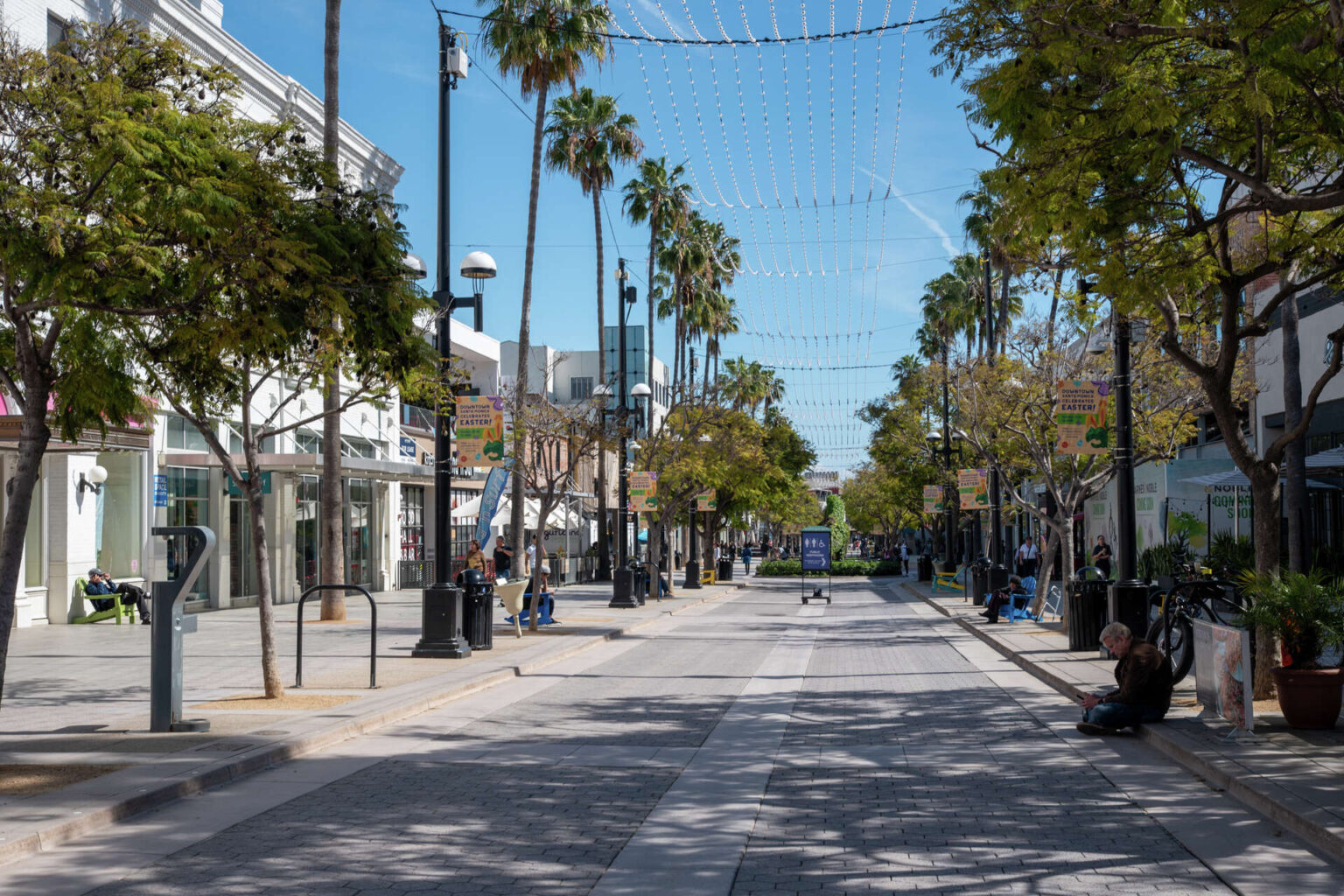
A nine-block section of West Lancaster Boulevard, once part of a busy highway, has become a tree-lined public space known as the BLVD. The transformation illustrates how pedestrian-friendly urban planning can encourage economic development while strengthening community connections.
The transformation began in 2010, when Lancaster invested approximately $11.5 million to redesign its downtown corridor. Previously dominated by five lanes of vehicle traffic, the roadway was reconstructed to prioritize walking, public gathering spaces and commercial activity.
Three central traffic lanes were replaced with landscaped pedestrian areas inspired by Spanish-style ramblas, creating attractive spaces where residents can stroll, shop and socialize.
The redesigned boulevard introduced trees, accessible walkways and gathering areas that contrast sharply with the surrounding desert environment. Rather than functioning primarily as a route for automobiles, the street became a destination in its own right.
According to figures reported by the city, the redevelopment generated more than $270 million in economic output within four years of completion. It also attracted approximately $130 million in investment, supported hundreds of jobs and encouraged the construction or renovation of hundreds of housing units.
Today, the BLVD accommodates approximately 250 public and private enterprises. These include restaurants, retail stores, banks, museums, entertainment venues and professional services.
The economic results demonstrate how public infrastructure investment can encourage private-sector activity. By making downtown more attractive and accessible, Lancaster created conditions that helped existing businesses grow while encouraging new establishments to open.
The boulevard’s success extends beyond financial indicators. Residents describe the transformed downtown as a place where people naturally meet, develop friendships and participate in community activities.
John Elford, manager of Lancaster’s public library, remembers the frustration surrounding the original construction. Many residents initially opposed the disruption caused by removing traffic lanes. However, attitudes changed after the project was completed.
The more welcoming environment encouraged visitors to explore the library, spend time reading and participate in community life. Local businesses have experienced similar benefits. Nicole Stevens, owner of Pretty Little Poppy Marketplace, says the redevelopment has helped bring families and small businesses together.
Restaurant employees and other local workers also describe stronger relationships with customers and neighboring businesses. The BLVD has developed into an important cultural destination.
A museum opened in 2012 to showcase the history, art and culture of California’s Antelope Valley. The district also features a performing arts center, vintage shops, restaurants and farmers markets. Residents can attend comedy performances, participate in art classes or enjoy cultural events without traveling between disconnected commercial areas.
Business owner Nanette Rushing describes the boulevard as a diverse environment where food, music and art coexist. This combination of cultural activities and commercial opportunities has helped establish a distinctive downtown identity.
The transformation did not end with construction. In 2013, property owners and businesses partnered with the city to establish the BLVD Association, an organization dedicated to maintaining and promoting the district.
An ambassador program launched in 2016 provides assistance to visitors and businesses while helping address everyday concerns. Although occasional problems involving public safety and homelessness remain, local participants generally describe the area as welcoming and accessible.
Lancaster’s experience offers lessons for communities seeking to revive aging commercial districts. Its redevelopment demonstrates that streets can serve purposes beyond transporting vehicles.
Thoughtful investment in walkability, public spaces and cultural amenities can support local commerce while making neighborhoods more appealing. The project also highlights the importance of long-term management and cooperation between local government and businesses.
Lancaster’s transformation shows how a relatively modest public investment can reshape an urban economy, strengthen community identity and turn an ordinary roadway into a thriving destination for generations to come.