
The Food and Drug Administration has approved the first treatment for Sanfilippo syndrome type A, marking a historic breakthrough for families affected by an ultra-rare genetic disease that progressively destroys children’s neurological abilities and often leads to death in adolescence.
The therapy, called Fayuvi, was developed by Ultragenyx Pharmaceutical and is intended for pediatric patients with Sanfilippo syndrome type A who still have preserved neurodevelopmental function.
Until now, doctors could only manage symptoms. There was no FDA-approved therapy capable of addressing the underlying biological cause of the disease.
Sanfilippo syndrome type A, formally known as mucopolysaccharidosis type IIIA, is caused by mutations that leave patients deficient in an enzyme called sulfamidase. Without sufficient amounts of this enzyme, a substance called heparan sulfate accumulates inside cells, particularly affecting the brain and central nervous system.
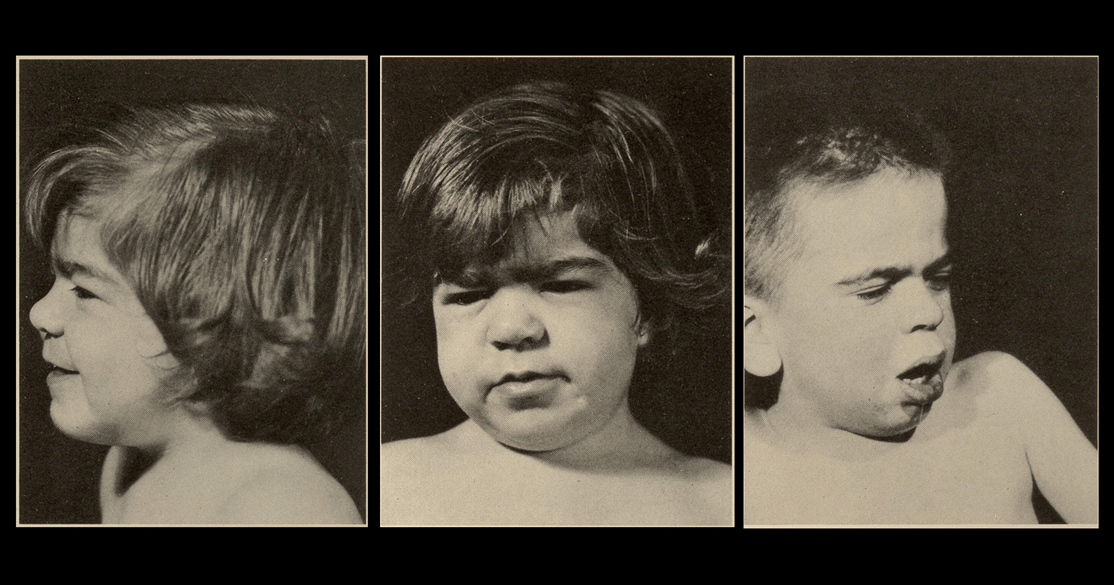
Children may initially appear to develop normally before experiencing progressive developmental delays and eventually losing cognitive, language and motor abilities. The disease is sometimes called “childhood Alzheimer’s” because of its devastating neurological progression.
Fayuvi attempts to intervene at the genetic source of the disorder.
The one-time intravenous gene therapy uses a modified AAV9 virus to carry a functioning copy of the SGSH gene into cells. The goal is to allow the body to produce the missing enzyme, reduce the accumulation of heparan sulfate and slow or prevent further neurological damage.
Clinical evidence supporting the approval included 17 treated children compared with 27 untreated patients from a natural-history group.
According to Ultragenyx, treated children scored an average of 23.5 points higher on a measure of cognitive development during the study period than would have been expected based on the untreated group’s disease progression. Researchers also observed reductions in heparan sulfate in cerebrospinal fluid.
Some patients have now been followed for nearly eight years, providing unusually long-term information for a rare-disease gene therapy.
The treatment nevertheless carries significant risks.
The FDA warns about liver toxicity and thrombotic microangiopathy, a potentially serious condition involving damage to small blood vessels. Patients must receive corticosteroids beginning before treatment and continuing for at least eight weeks afterward. Regulators also note a theoretical long-term cancer risk associated with genetic material integrating into a patient’s genome.
Access will present another major challenge.
Ultragenyx has set Fayuvi’s U.S. list price at $3.95 million for the one-time treatment, placing it among the world’s most expensive medicines. The company argues that the price should be considered against the enormous lifetime medical and caregiving costs associated with the disease.
Commercial treatment is expected to become available through specialized U.S. gene-therapy centers within 30 to 60 days.
The approval carries particular emotional significance for the Sanfilippo community.
Families and patient organizations spent years raising money, supporting research and participating in clinical trials in hopes of developing a therapy. Development itself faced obstacles: the treatment originated with academic researchers, passed through another biotechnology company and was ultimately acquired by Ultragenyx after funding difficulties threatened its future.
The FDA also previously rejected Ultragenyx’s application in 2025 because of manufacturing and facility-related issues rather than evidence that the therapy lacked effectiveness. The company subsequently addressed those concerns and resubmitted its application.
Fayuvi’s approval does not mean Sanfilippo syndrome has been cured. Its effectiveness may depend substantially on treating children before extensive and irreversible neurological damage occurs.
But for families who previously received a diagnosis with no disease-modifying treatment available, the decision fundamentally changes the medical landscape.
For the first time, physicians have an approved therapy designed not merely to manage the consequences of Sanfilippo syndrome type A, but to attack its underlying genetic cause and potentially preserve abilities that the disease would otherwise progressively take away.